Multi-Generational Caregiving: How Home Care Franchises Serve Families Across Age Groups
Estimated Reading Time: 4–5 minutes
When many people hear “home care,” they immediately think of seniors. While older adults are a major part of the market, the reality is much broader. For entrepreneurs exploring a home care franchise, understanding that a wider opportunity is essential.
At FirstLight Home Care, our model is built to support individuals and families across life stages. From aging adults to busy households navigating health challenges, demand spans generations. That versatility is a key reason the brand continues to grow nationwide.
Who Actually Needs Home Care?
The home care industry is not limited to one demographic group. In nearly every community, individuals need temporary or ongoing support to remain safe and comfortable at home. That demand comes from multiple life stages and circumstances.
FirstLight Home Care serves a wide range of clients, including:
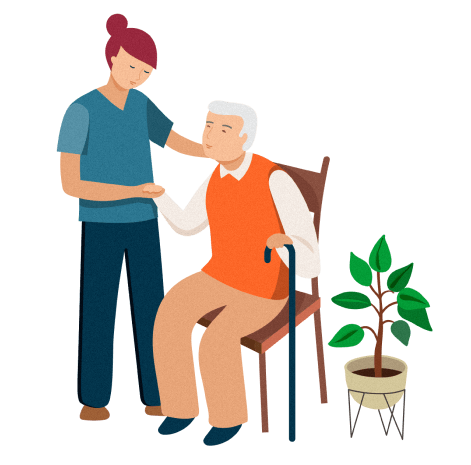
- Seniors aging in place, a rapidly expanding segment, as 10,000 Americans turn 65 each day
- Adults recovering from surgery or illness who need short-term assistance
- Individuals with disabilities who benefit from ongoing personal care and companionship
- Veterans managing service-related conditions
- Expectant and new mothers seeking additional household support
- Anyone facing a temporary or long-term health challenge
This broad client base positions franchise owners to serve more than a single niche. Instead of depending solely on senior care, owners can build a diversified book of business that reflects the real needs of families in their communities.
Why Multi-Generational Care Matters Right Now
Today’s families are balancing responsibilities in multiple directions. Many adults in their 30s and 40s are part of the sandwich generation, raising children while coordinating care for aging parents. That dynamic increases the need for reliable, professional home care services.
At the same time, healthcare trends are shifting more recovery and long-term management into the home. Procedures that once required extended hospital stays are now followed by in-home recovery. As a result, adults of various ages are seeking flexible care solutions that adapt to changing circumstances.
In our experience, care needs often evolve rather than disappear. A client may begin with light companionship and later require personal care support. A short-term recovery case can transition into a longer-term relationship. A multi-generational model allows franchisees to respond to those changes without rebuilding their client base from scratch.
The Business Advantage of Serving All Ages
Serving a multi-generational client base is not only mission-driven; it also provides a clear strategic advantage for franchise owners seeking stability and growth. A broader audience means more referral sources, more relationship-building opportunities, and more consistent revenue potential.
Our service model supports diversification through:
- Non-medical care services such as companionship, meal preparation, personal care, and memory support
- Medical care services, where applicable, that expand the scope of support
- Flexible care plans that adjust as client needs change
- Ongoing training and operational systems that help owners manage diverse cases
Non-medical services often provide strong margins due to lower overhead requirements. Adding medical services can deepen client relationships and increase lifetime value. Together, these offerings create a business model that remains resilient across economic cycles.
Frequently Asked Questions
Is home care only for seniors?
No, home care is not limited to seniors. While older adults represent a large segment, services also support individuals recovering from surgery, adults with disabilities, veterans, and even new mothers who need temporary assistance at home.
Why does serving multiple age groups matter for franchise owners?
Serving multiple age groups expands your total addressable market. A broader client base increases referral opportunities, stabilizes revenue streams, and reduces reliance on a single demographic segment within your territory.
Is the home care industry recession-resistant?
Home care is generally considered recession-resistant because it provides essential services. Families may delay discretionary spending during economic downturns, but care needs typically remain consistent across age groups and life stages.
How does your model support diverse client needs?
FirstLight Home Care supports diverse client needs through customized care plans and both medical and non-medical service offerings. This flexibility allows franchisees to adapt as client circumstances evolve while maintaining long-term relationships.
Is a Multi-Generational Home Care Franchise Right for You?
For entrepreneurs evaluating franchise opportunities, versatility matters. A model that serves families across generations offers built-in diversification and long-term relevance. It allows owners to meet essential needs that remain consistent regardless of economic conditions.
With more than 300 locations across 39 states and an average gross revenue of $1.67 million*, our model demonstrates both demand and performance. If you are seeking a business that combines community impact with scalable growth potential, exploring a FirstLight Home Care franchise may be your next step.
*Please see Item 19 of the current Franchise Disclosure Document for additional information.
Explore available territories or reach out to us online and take the first step toward building a business designed for long-term growth in your community.